How to Choose the Best Dyslexia Reading Intervention Tutor in Gresham (Compared)
- North Star Tutor Team

- 3 days ago
- 4 min read

For many parents in Gresham and East Portland, the realization that their child is struggling to read can be overwhelming. You see the frustration during homework time, the avoidance of books, and perhaps the heartbreak of a dyslexia diagnosis. You know your child is bright, creative, and capable: they just need a different map to navigate the world of written language.
Finding the right dyslexia reading intervention tutor in Gresham, Oregon, is one of the most impactful decisions you can make for your child’s academic future. However, with so many options: from local learning centers to private tutors: it can be difficult to discern which approach will actually deliver results.
This guide is designed to help you cut through the noise. We’ll explore the essential credentials, the necessity of evidence-based methods like Orton-Gillingham, and why science suggests that one-on-one instruction is the "gold standard" for students with dyslexia.
1. Look for Specialized Credentials (LETRS, Master's, and UFLI)
When comparing tutors, it isn’t enough to just look for "experience." You want to ensure the educator has deep, research-based knowledge of how the brain learns to read.
At North Star Tutoring, LLC, we believe that professional training directly translates to student success. Here are the three key credentials you should look for:
Master’s Degree in Reading Education: This indicates a high level of expertise in literacy development and the ability to diagnose and address complex reading challenges.
LETRS (Language Essentials for Teachers of Reading and Spelling): This is considered the "gold standard" of professional development. Research by the American Institutes of Research (2008) found that LETRS-trained teachers demonstrate significantly greater knowledge of literacy development and use more explicit instruction than those without it.
UFLI (University of Florida Literacy Initiative) Qualification: UFLI Foundations is an evidence-based program that has shown remarkable results. Recent research indicates that students receiving UFLI instruction can see gains equivalent to an additional 8 to 18 months of instruction in a single year (University of Florida, 2022).

2. The Necessity of an Orton-Gillingham Based Approach
If your child has been diagnosed with dyslexia or exhibits signs of word-level deficits, the instruction must be rooted in the Orton-Gillingham (OG) approach.
OG is not a curriculum, but a philosophy of Structured Literacy. According to the International Dyslexia Association (IDA), Structured Literacy is the only effective way to teach students with dyslexia. It is:
Explicit: Nothing is left to chance. Every rule of the English language is taught directly.
Systematic & Cumulative: Lessons build from the simplest sounds to the most complex structures.
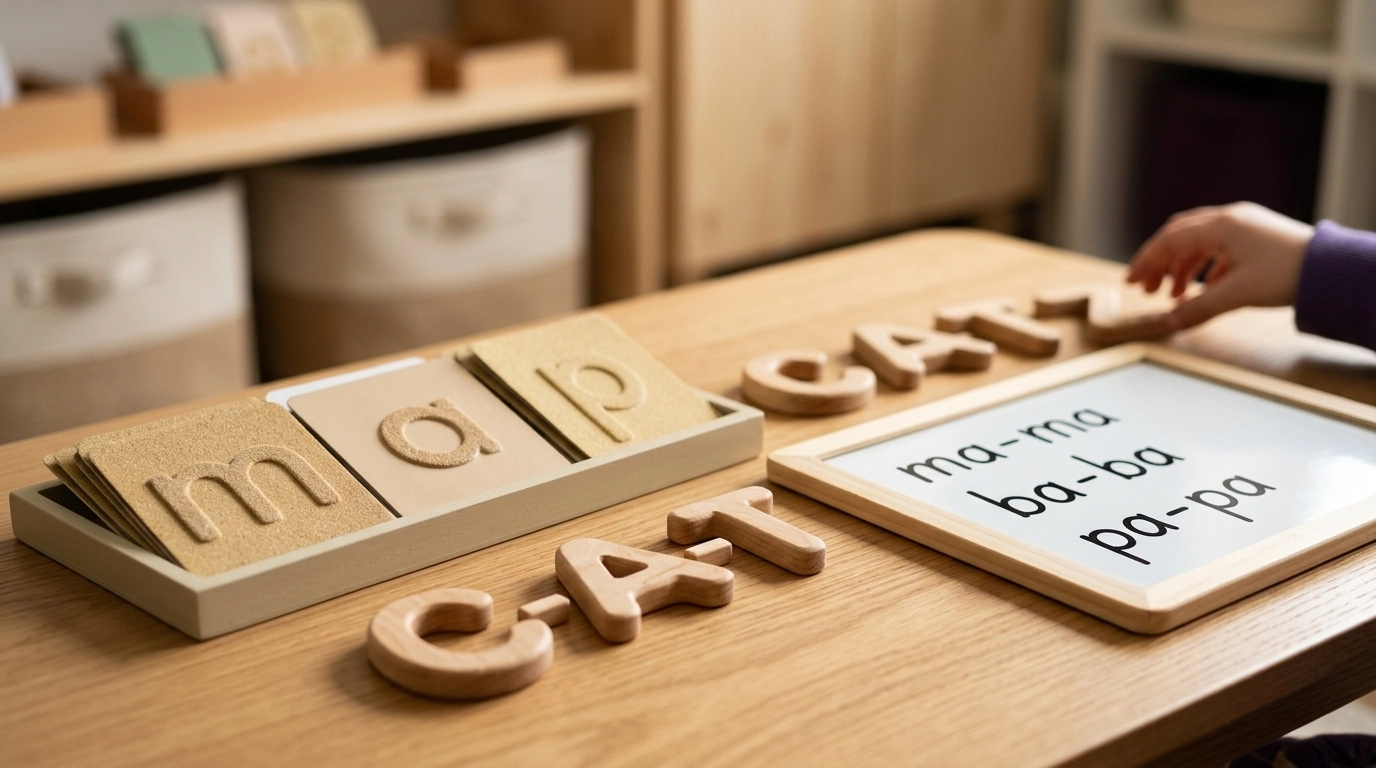
Multisensory: It engages the visual, auditory, and kinesthetic-tactile pathways simultaneously to enhance memory and learning.
When searching for an evidence-based reading tutor for elementary students, ask specifically if they follow the IDA Knowledge and Practice Standards. These standards ensure the tutor understands the complex nature of skilled reading and the specific needs of the dyslexic brain.
3. Why One-on-One Instruction is Superior
While small group instruction can be helpful for some, students with dyslexia often require a one-on-one reading tutor using structured literacy to make meaningful progress.
The primary reason is immediate feedback. In a group setting, a student might mispronounce a phoneme or misread a word, and the error might go uncorrected for several minutes. In a one-on-one session at North Star Tutoring, the instructor provides coaching the second the error occurs.
Research suggests that this immediate, personalized feedback is crucial for "orthographic mapping": the process the brain uses to store words for immediate, effortless retrieval (Ehri, 2014). Furthermore, one-on-one instruction allows the tutor to tailor the pace. We don't move on until mastery is achieved, ensuring there are no "holes" in the child's foundational knowledge.

4. Comparing the Options in East Portland
Gresham families typically have three paths to choose from:
Large Learning Centers
Pros: Convenient scheduling, branded programs.
Cons: Often use group-based instruction; tutors may be college students or part-time workers without specialized dyslexia training.
The Science: Group instruction often moves at a fixed pace, which can leave struggling readers further behind.
General Private Tutors
Pros: Lower cost, local convenience.
Cons: May lack a specific methodology like Orton-Gillingham. Using "balanced literacy" or "whole language" approaches can actually be counterproductive for dyslexic students.
The Science: The National Reading Panel (2000) confirmed that phonemic awareness and systematic phonics are essential components that general tutoring often misses.
Specialized Literacy Interventionists (The North Star Model)
Pros: Direct, explicit instruction from a Master’s level educator; evidence-based methodology (LETRS, UFLI, OG); one-on-one focus.
Cons: Often have waiting lists due to high demand.
The Science: Combines clinical authority with empathetic warmth to create an environment where the student feels safe to take risks.
5. A Checklist for Gresham Parents
Before you commit to a tutor, ask these three questions:
"Do you use a Structured Literacy approach aligned with the International Dyslexia Association standards?"
"What is your specific training in the Science of Reading (e.g., LETRS or UFLI)?"
"How do you provide immediate feedback and coaching during one-on-one sessions?"
Your Partner in the Journey
Choosing a tutor isn't just about academic scores; it's about restoring your child's confidence. We have seen firsthand how a child can go from "striving to thriving" when they are finally given the tools that match how their brain learns.
As one local parent shared in our testimonials, the right support doesn't just improve reading: it changes the entire family dynamic by removing the stress of the "literacy gap."
At North Star Tutoring, LLC, we are proud to serve families in Gresham and East Portland with evidence-based, one-on-one literacy support. If you’re ready to see your child navigate their reading journey with clarity and expert support, let's start that journey together.
Contact North Star Tutoring today to learn more about our personalized sessions.
References
American Institutes of Research (2008).The Impact of LETRS Professional Development on Teacher Knowledge and Instruction.
Ehri, L. C. (2014).Orthographic Mapping in the Acquisition of Sight Word Reading, Spelling Memory, and Vocabulary Learning. Scientific Studies of Reading.
International Dyslexia Association (2018).Knowledge and Practice Standards for Teachers of Reading.
National Reading Panel (2000).Teaching Children to Read: An Evidence-Based Assessment of the Scientific Research Literature on Reading and Its Implications for Reading Instruction.
University of Florida Literacy Initiative (2022).UFLI Foundations: Research and Effectiveness Brief.
Comments